

The end of the semester often brings a massive wave of panic as students realize just how much material they need to review. Trying to cram three months of complex information into a single weekend is a guaranteed recipe for intense burnout and poor grades. The secret to surviving and actually thriving during this stressful period is not necessarily working harder but working significantly smarter.
By building a strategic, foolproof study schedule, you can eliminate the guesswork, reduce your daily anxiety, and ensure that every minute you spend at your desk moves you closer to your academic goals. A well-crafted plan acts as a personal roadmap guiding you through the chaos of multiple subjects and competing deadlines. This comprehensive guide will walk you through the exact steps needed to design an unbeatable study routine that maximizes your retention and protects your mental health.
Assess Your Current Standing and Prioritize Subjects
Before you even think about setting alarms or blocking out hours on a digital calendar you need a crystal clear picture of your academic battlefield. Many students make the critical mistake of dedicating equal amounts of time to every single class on their roster. In reality some subjects require much more heavy lifting than others based on your current understanding of the material.
Start your scheduling process by gathering all of your syllabi past exams and assignment grades. Conduct a completely honest audit of where you currently stand in each specific course. If you have a solid A in history but are barely passing calculus your schedule needs to reflect that disparity immediately. Rank your classes based on their overall difficulty level and the percentage weight of the final exam.
Once you have your primary priority list break down the actual topics within each subject. Writing down that you need to study biology is far too vague and will inevitably lead to procrastination. Instead list out the specific chapters formulas and concepts you struggle with the most. Identifying these weak spots early ensures that you tackle the hardest material first when your brain is fresh rather than leaving it for the frantic night before the exam.
Adopt the Time Blocking Method for Maximum Focus
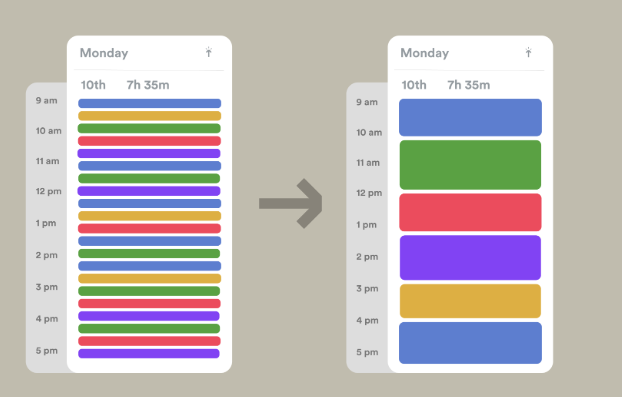
With your priorities clearly defined it is time to map out your days. Open ended study sessions often lead to a phenomenon known as Parkinson Law which states that work expands to fill the time available for its completion. If you give yourself the entire Saturday to read just one chapter it will take the entire Saturday.
Time blocking is the ultimate antidote to this common problem. This specific method involves dividing your day into dedicated chunks of time assigned to single individual tasks. Rather than sitting down with a vague intention to study you will decide that from nine in the morning until eleven in the morning you will solely focus on chemistry equations.
To make these blocks even more effective you should pair them with proven focus techniques.
-
Work in intense bursts of forty-five or fifty minutes.
-
Follow each work burst with a mandatory ten-minute break.
-
Step completely away from your desk during your rest periods to stretch or grab water.
This rhythm trains your brain to maintain deep focus because it knows a period of genuine rest is always right around the corner. During your dedicated work blocks you must eliminate all outside distractions. Put your phone in another room close all unnecessary browser tabs, and commit entirely to the academic task at hand.
Incorporate Active Recall and Spaced Repetition
Building a calendar schedule is only half the battle. What you actually do during those blocked hours determines your ultimate academic success. Reading and highlighting textbooks are passive learning strategies that give you a dangerous false sense of security. You might recognize the words on the printed page but that does not mean you can retrieve the information from your memory during a stressful timed test.
Your foolproof schedule must be built entirely around active recall. This means you are constantly and actively testing yourself. Use digital flashcards complete blank practice exams and try teaching the most difficult material aloud to an empty room or a willing friend. Forcing your brain to retrieve information manually strengthens your neural pathways and ensures the knowledge truly sticks.
Combine this active testing with spaced repetition. Instead of studying psychology for six consecutive hours on a Monday study it for two hours on Monday two hours on Wednesday and two hours on Friday. Returning to the material just as you are about to forget it forces your brain to work harder embedding the concepts deep into your long term memory. When mapping out your calendar weave different subjects throughout the week to maximize this powerful spacing effect.
Build Buffer Zones and Schedule Your Breaks
The most common reason study schedules fail is that they are overly ambitious and entirely unrealistic. Humans are notoriously terrible at estimating exactly how long tasks will actually take. If you plan every single minute of your day perfectly with no room for error you will inevitably fall behind. When that happens the entire schedule collapses and you end up feeling defeated and overwhelmed.
To make your plan truly foolproof, you must deliberately build in buffer zones. Leave a blank unscheduled hour at the end of every single study day. If a difficult math chapter takes longer than expected you have a built in safety net to finish it up without ruining tomorrow. If you happen to finish everything on time that buffer hour becomes a well deserved early reward.
Equally important is actively scheduling your downtime. Rest is not a reward for studying it is a fundamental biological requirement for the learning process. If you want your brain to absorb complex theories it needs dedicated time to process and recharge. Block out specific times for taking a long walk grabbing lunch with a friend or simply watching an episode of your favorite television show. Treating your break times with the exact same respect and strictness as your study times prevents burnout and keeps your momentum strong throughout the entire exam season.
Optimize Your Physical Environment and Sleep Routine
Your physical environment has a massive unseen impact on your cognitive endurance. Trying to conquer complex final exams while lying comfortably in bed is a guaranteed recipe for falling asleep. You need a dedicated workspace that automatically signals to your brain that it is time to perform at a high level. Keep your desk completely clean ensure you have adequate bright lighting and gather all your materials before your time block begins so you do not have to break focus to find a calculator or a specific notebook.
Finally the absolute most critical component of your foolproof schedule is your nightly sleep routine. All the active recall and time blocking in the world will not save your grades if you are chronically exhausted. Sleep is the biological period when your brain actively consolidates short term memories into permanent long term knowledge. Pulling an all nighter actually sabotages your ability to perform well the next day by destroying your cognitive recall.
Your schedule must include a hard stop time every single night. Commit to closing your books and turning off your computer monitors at least an hour before you intend to sleep to let your mind unwind properly. Aim for eight full hours of rest. Waking up refreshed and approaching your structured schedule with a clear head will always yield significantly better results than staring blankly at a textbook at three in the morning.
Success during finals week is never an accident. It is the direct and measurable result of intentional planning and disciplined execution. By assessing your academic weaknesses blocking your time effectively employing active learning methods and fiercely protecting your rest you are setting yourself up for an incredible performance. Stick closely to your personalized plan trust the process and you will walk into your final exams with total unshakeable confidence.